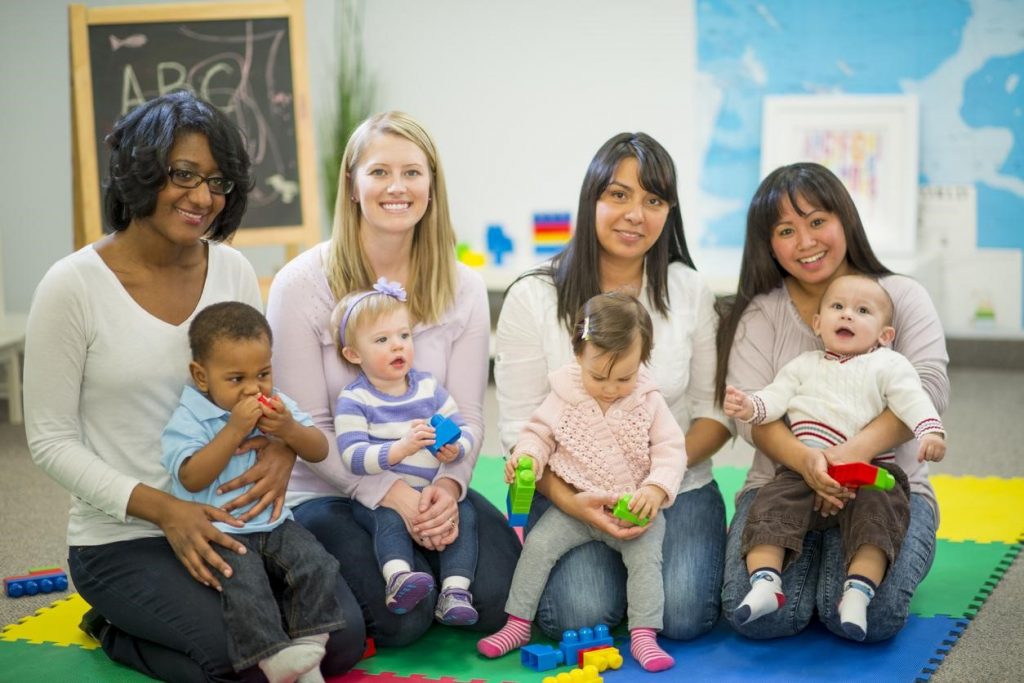
New parenthood can feel full and lonely at the same time. A parent may spend every hour caring for the baby, feeding, changing diapers, rocking, washing bottles, folding tiny clothes, and watching for every little cue. Yet even with the baby close all day, the parent may still feel isolated. Adult conversation becomes rare. Sleep is broken. Simple errands feel harder. Friends may not understand the new rhythm. Family may want to help but not know how. The parent may feel loved, overwhelmed, proud, exhausted, and alone all in the same afternoon.
This is why community matters so much for new parents. Babies need care, but parents need care too. A strong community can offer practical help, emotional support, reassurance, shared experience, and reminders that hard days are normal. Community does not have to mean a large group of people. It can be one trusted friend, a supportive partner, a sibling, a neighbor, a parent group, a pediatrician, a lactation consultant, a postpartum doula, or an online group that feels safe and grounded. Families adjusting to early parenthood can begin with birth postpartum support and think about community as part of recovery, not an optional extra.
New Parents Were Never Meant to Do Everything Alone
Modern parenting often makes parents feel they should manage everything privately: the baby, the home, feeding, sleep, recovery, work, emotions, appointments, and relationships. But caring for a newborn is a major life transition. It is not only a personal project. It affects the whole household. Parents need food, rest, encouragement, information, and practical relief.
HealthyChildren.org from the American Academy of Pediatrics notes that caring for a new baby can be hard and that it is normal for new parents to feel exhausted or frustrated. Its guide on coping with challenges as a new parent reminds families that support matters during this stage. Community helps because it spreads the weight. One person should not have to carry every task, every worry, and every decision alone.
Community Reduces the Mental Load
The mental load of new parenthood is heavy. Parents remember feeding times, diaper counts, appointments, laundry, bottle washing, safe sleep, visitor boundaries, grocery needs, baby cues, and their own recovery instructions. Even when other people are nearby, one parent may still feel like the manager of everything.
Community can reduce this load when help becomes specific. A friend can bring dinner. A grandparent can wash dishes. A partner can restock diapers. A neighbor can pick up groceries. A sibling can hold the baby while the parent showers. A trusted parent group can answer, “Is this normal?” The support does not have to be dramatic. Small help given consistently can change the whole day.
Emotional Support Helps Parents Feel Less Alone
New parents often wonder whether they are the only ones struggling. They may worry about feeding, sleep, crying, bonding, body changes, identity, or returning to work. Hearing another parent say, “That happened to me too,” can bring real relief. Shared experience does not solve every problem, but it reduces shame.
A 2023 review in the National Library of Medicine found that decreases in social support are associated with poorer postpartum mental health outcomes and impaired maternal-infant bonding. The review on postpartum social support shows why support is not just a nice idea; it can be connected to emotional wellbeing. Community gives parents a place to be honest without feeling judged.
Support Can Protect Parent Mental Health
Postpartum mental health deserves serious attention. New parents may experience anxiety, depression, intrusive worries, irritability, sadness, numbness, panic, or feeling unlike themselves. Community can help parents notice when they need more support. Sometimes a partner, friend, or family member sees changes before the parent has words for them.
Postpartum Support International says families experiencing postpartum depression, anxiety, and distress are not alone and are not to blame, and that help is available. Its resource at Postpartum Support International can help parents find support options. Community should not replace professional care when symptoms are strong or persistent, but it can help parents reach care sooner.
Community Makes Feeding Feel Less Isolating
Feeding can be emotional. Breastfeeding may be harder than expected. Formula feeding may bring judgment from others. Pumping can feel lonely and time-consuming. Combination feeding can feel confusing. Parents may worry about supply, latch, bottle amounts, spit-up, weight gain, schedules, and whether the baby is getting enough.
Support changes the feeding experience. A lactation consultant can help with latch. A pediatrician can track growth. A partner can wash pump parts. A friend can sit with the parent during a hard feed. Another parent can say, “We had to change our plan too.” Families can use feeding nutrition to build calmer routines, but community helps parents feel less alone while figuring those routines out.
Sleep Is Easier When Support Is Shared
Sleep deprivation is one of the hardest parts of early parenting. A parent who is waking often may feel emotionally stretched, forgetful, tearful, or anxious. Community can help protect rest. A partner can take a shift. A relative can hold the baby while the parent naps. A friend can drop off food so the parent does not have to cook. A postpartum doula may help with overnight or daytime support if available.
Even a short rest period can help. Parents do not always need someone to “fix” the baby’s sleep. Sometimes they need someone to protect one nap, one shower, or one quiet hour. Families can use sleep routines to create rhythm, but support helps parents survive the nights when rhythm is still developing.
Community Helps Parents Trust Their Instincts
New parents often receive too much advice. One person says feed on demand. Another says schedule everything. One person says hold the baby more. Another says do not hold too much. One article says one thing, and a relative says another. Too much input can make parents doubt themselves.
A healthy community does not drown parents in opinions. It helps them sort information. The best support says, “What does your pediatrician say?” “What feels right for your baby?” “Do you want advice or just listening?” “You are doing a good job.” Community should strengthen a parent’s confidence, not replace it.
Good Community Respects Boundaries
Not all help feels helpful. Some visitors stay too long, criticize feeding choices, ignore hygiene requests, kiss the baby against the parent’s wishes, or expect to be entertained. New parents need community, but they also need boundaries. Support should reduce stress, not add to it.
Healthy community respects the parent’s rules. Wash hands. Stay home if sick. Visit briefly. Bring food. Do not pressure the parent to pass the baby around. Do not comment on the parent’s body. Do not criticize feeding decisions. Ask what is useful. A parent is allowed to protect the baby and their own recovery.
Small Practical Help Often Matters Most
People often ask, “Let me know if you need anything,” but new parents may be too tired to answer. Specific offers are better. “Can I bring dinner Tuesday?” “Do you need diapers?” “Can I take out the trash?” “Can I walk the dog?” “Can I sit with the baby while you shower?” “Can I fold laundry?” “Can I pick up groceries?”
Practical help matters because it gives parents more energy for the baby and for recovery. Holding the baby is nice, but sometimes the best support is cleaning bottles, loading the dishwasher, or leaving food at the door. A strong community understands that care for the parent is care for the baby.
Parent Groups Can Normalize the Hard Parts
Parent groups can be helpful because they bring people together in the same season of life. A group may meet at a library, community center, hospital, religious center, park, lactation office, or online. Parents can talk about feeding, sleep, recovery, baby gear, pediatrician visits, and the emotional adjustment to parenthood.
Not every group will be the right fit. Some groups may feel too judgmental or too advice-heavy. It is okay to leave a group that increases stress. Look for spaces where parents are kind, practical, respectful, and honest. A good group helps parents feel steadier after leaving, not more anxious.
Online Community Can Help, But Choose Carefully
Online groups can be valuable, especially for parents who cannot leave home easily. They can provide late-night reassurance, product tips, feeding support, and connection with people going through similar stages. But online spaces can also spread fear, misinformation, comparison, or extreme advice.
Choose groups with clear rules, respectful moderation, and evidence-based guidance. Avoid spaces that shame parents or push one perfect method. If a medical question comes up, use the pediatrician or healthcare provider instead of relying only on strangers. Online community should support real care, not replace it.
Community Supports Bonding
Parents sometimes think bonding means they must do everything themselves. In reality, support can make bonding easier. When someone else handles dishes, food, laundry, or errands, the parent has more energy to hold, feed, talk to, and enjoy the baby. When a parent gets rest, they may feel more emotionally available.
Families can use newborn life resources to understand baby care, but community helps create the conditions where that care feels less overwhelming. A supported parent is often more able to notice the small moments: the baby’s hand curling around a finger, a sleepy stretch, a first smile, or a quiet feed.
Community Can Help With Safety
Supportive people can also help keep the home safe. A grandparent can help anchor furniture. A friend can bring a baby gate. A partner can clear cords from the floor. A neighbor can help carry a stroller downstairs. Someone can watch the baby while the parent reorganizes cleaning supplies or prepares a safe sleep space.
Families can explore home safety and then ask for specific help with the tasks that are hard to do alone. Safety is not only knowledge. It is also having enough hands, time, and energy to make changes.
Community Matters During Pregnancy Too
Community does not begin after birth. During pregnancy, support can help families prepare emotionally and practically. Someone can attend a class with the parent, help set up the sleep space, bring meals, help with older children, offer rides to appointments, or simply listen. Pregnancy can bring excitement, fear, body changes, and many decisions.
Families can use pregnancy resources while also building a support list before the baby arrives. It is easier to ask for help postpartum when the support system already exists. A simple list of trusted people and what they can help with can make the first weeks feel less chaotic.
Community Helps Parents Keep Perspective
New parenthood can make small problems feel huge because everything is happening with little sleep and high emotion. A supportive person can help parents keep perspective. They can remind the parent that one hard night does not mean failure. One bottle does not define feeding success. One messy room does not mean the home is unsafe. One fussy evening does not mean the baby is unhappy forever.
Perspective does not dismiss the hard parts. It helps parents breathe through them. A good community says, “This is hard, and you are not alone.” That message can be powerful when a parent is tired and unsure.
How to Build Community if You Do Not Have One Yet
Some parents do not have family nearby or do not feel supported by relatives. Community can still be built slowly. Start with one place: a pediatrician’s office, postpartum support group, local library baby program, neighborhood parent group, faith community, lactation group, walking group, or trusted online community. Even one supportive connection can make a difference.
It can feel awkward to reach out, but many new parents are looking for the same thing. A simple message like, “I have a new baby and would love to meet other parents for a short walk,” can open a door. Community often starts small and grows through repeated contact.
When Community Is Not Enough
Community is important, but it does not replace medical or mental health care. If a parent feels persistently sad, anxious, hopeless, panicked, disconnected from the baby, unable to sleep even when the baby sleeps, or unable to function, professional support is needed. If a parent has thoughts of harming themselves or the baby, or feels unsafe, urgent help should be contacted immediately through local emergency services or a crisis line.
Supportive friends and family can help by taking concerns seriously, helping the parent contact a provider, and staying nearby while help is arranged. Parents can also use the contact page for non-urgent site questions, but health or mental health concerns should go directly to qualified professionals.
The Bottom Line
Community matters so much for new parents because babies require care, and parents require care too. Community reduces isolation, supports mental health, helps with feeding and sleep, lowers the mental load, provides practical relief, protects parent confidence, and creates safer, calmer homes. It does not have to be large or perfect. One steady support person can matter.
New parents are not meant to do everything alone. The strongest support is practical, respectful, and nonjudgmental. It brings food, protects rest, listens without criticism, respects boundaries, helps with daily tasks, and notices when a parent needs more help. A baby nest is not built only from blankets, bottles, and furniture. It is built from people who help parents feel supported enough to care, recover, and keep going.